
led mirror anti fog
Understanding the 3 8% Gate Valve An Essential Component in Fluid Control Systems In the world of fluid control systems, gate valves play a crucial role in regulating the flow of liquids and gases. Among the various types of gate valves, the 3 8% gate valve stands out due to its specific characteristics and applications. This valve type is a vital component in industries ranging from water treatment to oil and gas transmission, and understanding its design and function is essential for engineers and technicians alike. What is a Gate Valve? A gate valve is a type of valve that opens or closes by lifting a gate out of the path of the fluid. The primary function of a gate valve is to provide a straight-through flow path and to allow for unobstructed passage when fully open. Unlike other types of valves, such as globe valves or ball valves, gate valves are designed to be either fully open or fully closed, making them ideal for applications where minimal flow resistance is required. The Significance of the 3 8% Designation The designation of a gate valve, such as the 3 8%, typically refers to specific standards or dimensions tied to its design and functionality. These alphanumeric codes might indicate the valve's pressure rating, size, or the materials used in its construction. Understanding these specifications is critical as they determine the valve’s suitability for various applications, its durability, and overall efficiency in controlling fluid flow. Applications and Use Cases The 3 8% gate valve finds widespread application in various sectors 1. Water Supply Systems In municipal water supply, gate valves are used to control the flow of drinking water, allowing for maintenance and repairs to be performed without draining entire sections of the system. 3 8 gate valve 2. Oil and Gas Industry Here, gate valves are essential in pipelines and refineries, allowing for the adjustment of flow rates and providing safety in high-pressure situations. 3. Chemical Processing The chemical industry requires extensive use of gate valves to manage the passage of various fluids, ensuring safe and efficient operation in reactors, separators, and other equipment. 4. HVAC Systems In heating, ventilation, and air conditioning systems, gate valves help manage the flow of fluids essential for temperature regulation and efficiency. Benefits of Using a 3 8% Gate Valve One of the primary benefits of the 3 8% gate valve is its ability to minimize pressure loss when fully open. This characteristic is vital for systems where maintaining pressure is essential. Additionally, the robust materials used in the construction of these valves ensure durability and resistance to corrosion, making them a long-lasting solution for various applications. Moreover, the simplicity of the design allows for easy maintenance and operation. Unlike more complex valve types, gate valves require straightforward procedures for installation and servicing, contributing to overall operational efficiency. Conclusion In conclusion, the 3 8% gate valve is a vital instrument in fluid control systems across multiple industries. Its design facilitates unobstructed flow, while its specific features ensure compatibility with various applications. Understanding the significance of this valve type allows industry professionals to make informed decisions regarding fluid management, ultimately enhancing system performance and reliability. As industries continue to evolve and demand more from their equipment, the gate valve, particularly the 3 8%, will remain a cornerstone in ensuring the efficient handling of fluids. Whether in a municipal water system or an oil pipeline, the reliability and efficiency of gate valves make them indispensable for modern infrastructure.
about
led mirror anti fog
Control Valves in Hydraulic Systems Control valves are integral components in hydraulic systems, playing a vital role in the effective management and regulation of fluid flow and pressure. They are designed to control the direction, flow rate, and pressure of hydraulic fluids, enabling precision in a variety of applications from industrial machinery to automotive systems. Understanding the function and importance of control valves in hydraulic systems is crucial for engineers, technicians, and anyone involved in hydraulic system design or maintenance. Function of Control Valves The primary function of a control valve in a hydraulic system is to manage the flow of hydraulic fluid. This can be achieved by either throttling the flow or completely blocking it, depending on the operational requirements. Control valves can be actuated manually, pneumatically, or electronically, allowing for a range of control strategies from simple operator-driven adjustments to complex automated systems. In practice, control valves are classified into several types including proportional valves, directional control valves, and flow control valves, each serving specific functionalities 1. Directional Control Valves These valves manage the path that the hydraulic fluid takes within the system, ensuring that fluid flows to the correct actuator or component. They can switch the direction of flow based on the actuator position and the desired movement of the hydraulic machine. 2. Flow Control Valves As the name suggests, these valves regulate the speed of fluid flow to the actuators. By modifying the flow rate, they control the pace at which hydraulic cylinders or motors operate. This is particularly important in applications that demand precise speed control for effective operation. 3. Proportional Valves These advanced control devices adjust flow rate and pressure in a continuous and proportional manner, as opposed to merely opening or closing. This allows for fine-tuned control over actuator movement, making them ideal for applications requiring high precision. Importance in Hydraulic Systems control valve in hydraulic system The significance of control valves extends beyond simple flow regulation. Their role is crucial in ensuring the efficiency, safety, and reliability of hydraulic systems. 1. Efficiency By controlling the flow and pressure of hydraulic fluid effectively, control valves minimize energy loss. Efficient operation means that hydraulic systems consume less power, which translates to lower operational costs and reduced environmental impact. 2. Safety Properly functioning control valves help to prevent overpressure conditions that could lead to equipment failure or catastrophic incidents. For instance, pressure relief valves are essential for protecting hydraulic systems from excessive pressure, ensuring safe operation under varying load conditions. 3. Flexibility The ability to control the mechanical power produced by hydraulic fluid allows for a wide range of applications. From construction machinery to automotive systems, the versatility of control valves is beneficial in adapting hydraulic systems to meet specific operational demands. 4. Maintenance and Troubleshooting Control valves can also aid in diagnosing issues within a hydraulic system. By monitoring the flow and pressure changes in response to valve adjustments, technicians can identify potential problems such as leaks, blockages, or failures in other system components. Design Considerations When selecting control valves for hydraulic systems, several factors must be taken into account, including the type of hydraulic fluid used, operating pressure, flow rate, and environmental conditions. Compatibility with the overall system design is essential to ensure optimal performance and longevity. Additionally, regular maintenance and calibration of control valves are vital to their continued functionality, helping to avoid system failures and costly downtimes. Conclusion Control valves are indispensable components of hydraulic systems, ensuring effective management of hydraulic fluid flow and pressure. Their various types serve distinct functions, and their importance cannot be overstated—from enhancing efficiency and safety to allowing flexibility in system operation. For anyone working with hydraulic systems, a thorough understanding of control valves and their applications is essential for achieving optimal system performance and reliability. As technology continues to advance, the development of smarter and more efficient control valve mechanisms will undoubtedly further enhance the capabilities of hydraulic systems in the future.
-

High quality industrial productsagement

High quality industrial products
View Details -

Meet the diverse needs of customers

Meet the diverse needs of customers
View Details -

Strict quality control

Strict quality control
View Details -

Top raw materials

Top raw materials
View Details -

Trusted supplier

Trusted supplier
View Details
Our application
news and information
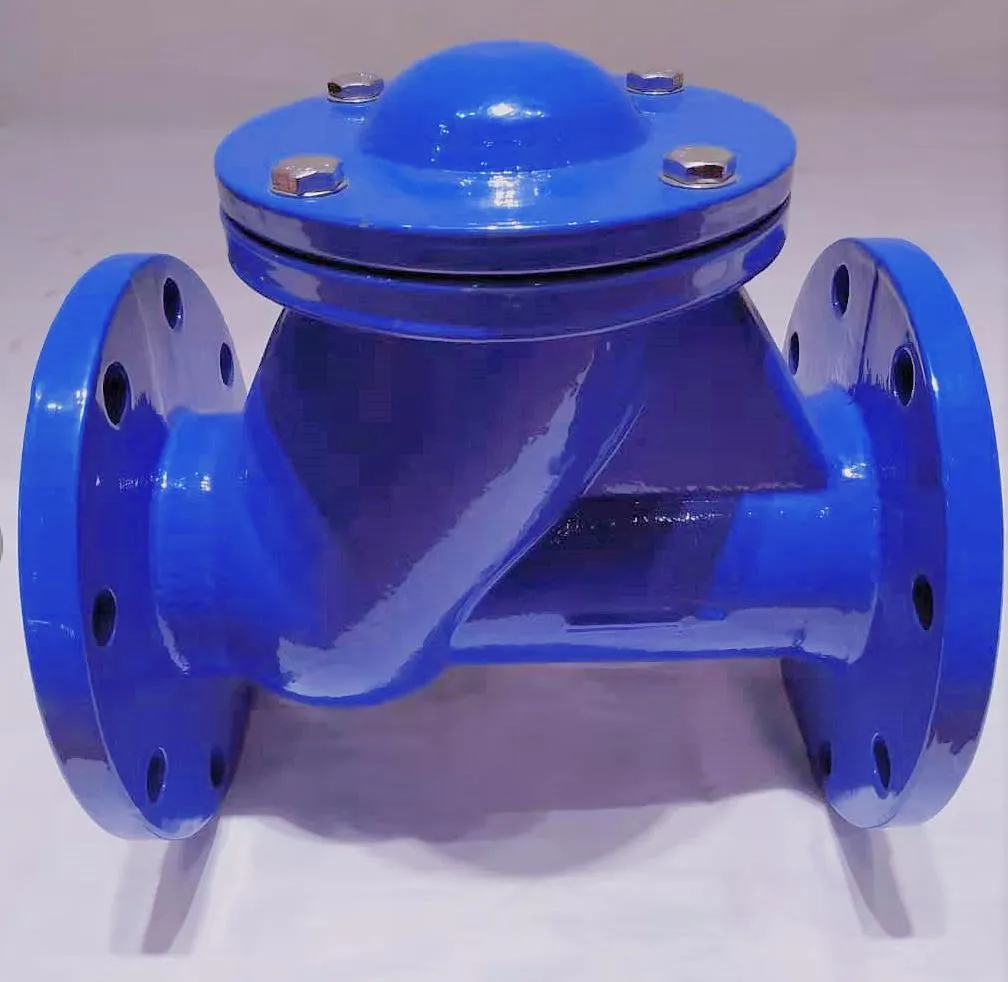
valve ng liquid transfer check
Liquid Transfer Check Valve Isang Mahalagang Komponent sa Fluid Handling Systems Sa mundo ng industr
Water Pressure Regulation Using Check Valves for Efficient System Performance
Water Pressure Check Valves Importance, Functionality, and Maintenance Water pressure check valves a
valve company
Valve Corporation, an iconic name in the gaming industry, has consistently set benchmarks in interac
 English